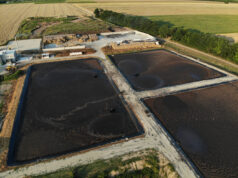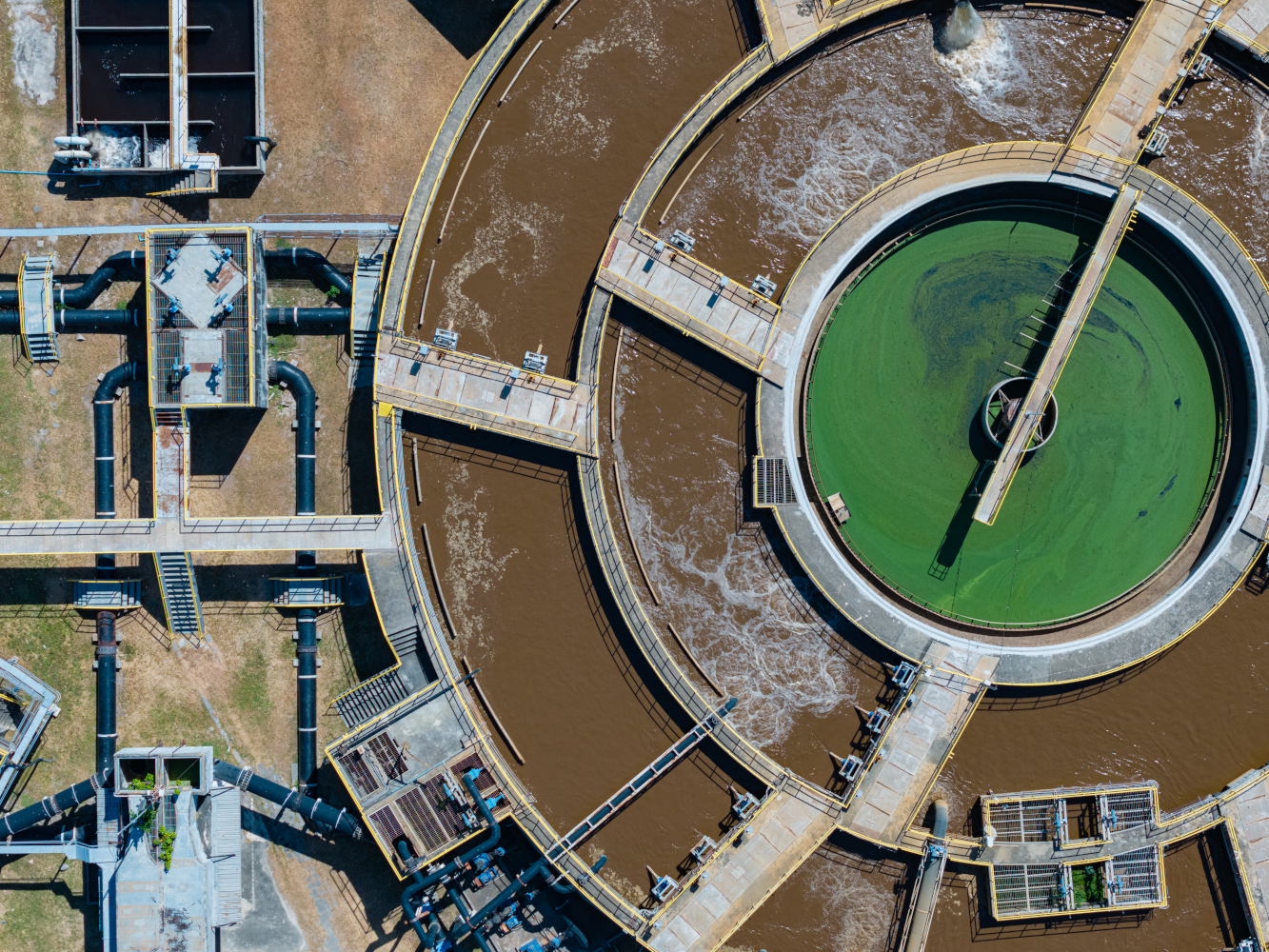
At Water Treatment 411, we focus on what’s shaping the future of utility operations, and indirect potable reuse (IPR) is rapidly moving from innovation to infrastructure. Mexico is quietly becoming a global leader in IPR with a major expansion in León, Guanajuato, that marks a bold move to secure long-term drinking water supply through advanced membrane technologies. The city’s water utility, SAPAL, is doubling the treatment capacity of its IPR facility to 34 million liters per day using hollow fiber nanofiltration (HFNF) from NX Filtration. It’s now the largest HFNF-based IPR project in the world and a case study in urgency, infrastructure scaling, and shifting public policy.
What’s Happening in León?
León, the third-largest city in Mexico, sits atop one of the most depleted aquifers in the country. The Valle de León aquifer has seen a 39-meter drop in groundwater levels over the past two decades, and the region nearly hit Day Zero in 2022. SAPAL’s response was the ERA (Estaciones Regeneradoras de Agua) initiative, built around IPR. Wastewater is treated at a dedicated facility, pushed through nanofiltration and advanced oxidation, and then discharged into the El Palote reservoir. That water is later re-treated for potable use.
The latest plant expansion is built around NX Filtration’s HFNF membranes. These modules filter out organics, pathogens, and micropollutants while retaining essential salts. Their performance has impressed local officials enough to merit a repeat order, effectively doubling the plant’s capacity. What was once a tech upgrade is now an integral part of León’s broader strategy to decouple water security from volatile surface and groundwater sources.
Why Indirect Potable Reuse Works Here
Indirect potable reuse isn’t new, but León’s model stands out for how quickly it has scaled. IPR projects can gain public trust more easily than direct potable reuse (DPR), as the environmental buffer (in this case, a reservoir) serves both practical and psychological functions. By mimicking the natural hydrologic cycle, IPR blunts public resistance while adding resilience to the water grid.
The advanced treatment stack of HFNF paired with advanced oxidation provides multi-barrier protection while minimizing chemical and energy costs compared to reverse osmosis systems. For regions like Guanajuato, where 60% of aquifer drawdown comes from agriculture, indirect reuse can offer cities a way to stabilize supply even if recharge doesn’t keep pace.
The National Context
Mexico’s federal water commission, Conagua, is pushing an aggressive National Water Plan. All 32 states are now tasked with developing localized hydraulic infrastructure strategies. Indirect potable reuse fits neatly within the plan’s core pillars of water justice, environmental mitigation, and sustainable supply. With up to 35 million Mexicans affected by water scarcity, IPR is being positioned as a go-to option for urban resilience.
Academic institutions are also being mobilized to support research and innovation. This growing alignment between municipalities, federal agencies, and tech providers like NX Filtration could create the blueprint for future public-private water reuse models across Latin America and beyond.
Lessons for Utilities and Operators
If you operate in a water-stressed region or are preparing for more volatile climate-driven shortages, León’s approach provides several key takeaways:
- Start with wastewater: Municipal wastewater is an undervalued asset. With the right technology, it can become a sustainable source of potable supply.
- Membrane choice matters: Hollow fiber nanofiltration offers a compelling balance between filtration performance and energy efficiency. It also handles dissolved organics better than traditional ultrafiltration or microfiltration setups.
- Scale fast, but keep it smart: León’s phased approach enabled rapid capacity growth without overcommitting to untested infrastructure. Modular design and strong vendor relationships helped derisk expansion.
- Build public trust early: Using a reservoir as a buffer allows natural attenuation and buys public confidence. Don’t underestimate the optics.
Looking Ahead
Indirect potable reuse isn’t a fringe option anymore. Between regulatory shifts, technology maturity, and environmental necessity, IPR is moving into the mainstream. León’s project proves that full-scale IPR is scalable, cost-effective, and politically achievable when implemented with clear vision and community engagement.
For operators and engineers watching from drought-prone regions, León may well be the case study to follow for how municipalities can build resilient supply in regions where groundwater is no longer reliable.
SOURCES: Aquatech, Smart Water Magazine