

Tuesday, March 3, 2026

Drinking Water Contamination Incidents: Is Your PR Team Ready?

City Water Contamination

Most water treatment professionals are used to the day-to-day analysis of water and maintenance that comes with the job. Howbeit, not all are prepared for a drinking water contamination incident such as E.coli. Is your team ready to respond when an emergency strikes?

Unfortunately, this topic hits close to home for me. As a resident of Tyler and customer of TWU, I was quick to learn about a boil notice issued by the City of Tyler for E.coli contamination, and of course, was mildly horrified. The boil notice didn’t last long, though; the city lifted it the following day at 11 am. After talking with other residents and customers of TWU, to my surprise, this was not the first time the city has had water quality issues. Feeling concerned, I reached out to the City and asked if it was normal after E.coli detection in a water sample to only have a 24-hour boil notice for customers?

The City of Tyler released this statement:

“It is not normal for us to have a water sample test positive for E.coli.  We take dozens of samples everyday at various points around the City. Those samples got to the North East Texas Public Heath Regional Laboratory in Tyler to be tested according to TCEQ requirements.  

The boil water notice had to be issued  as the result of a single routine sample site tested showing the presence of e. coli, followed by a repeat sample at the same site in Central Tyler showing the presence of total coliform. E. coli was only found in one sample site out of many tested.   

Tyler water meets and exceeds all State and Federal standards. Our water system is safe.”

Famed environmental activist, Erin Brockovich, has long expressed concerns over the safety of the city’s water. In 2015, responding to another TWU water contamination incident, she posted on Facebook that the City was downplaying the incident. City officials were quick to respond to her post, “Our drinking water is the No. 1 priority of this department,” Assistant City Manager Susan Guthrie said. “We followed exactly what TCEQ requires us to do.”

No matter your opinion on the safety of Tyler’s water, the fact remains that the city was quick to respond in both situations. When disaster strikes, water facilities need to be prepared to react assuredly and quickly to ease customers’ minds. To avoid being caught unprepared, the EPA offers this guidance on how to react in situations like these. The City of Tyler followed the guidance of The Distribution System Contamination Response Procedure (DSCRP) outlined by the EPA, does your facility have a plan in place to do the same?

Sources: EPA.govCity of TylerTyler Morning Telegraph

Flood on the Water: What Increased Flooding Means for Water Treatment Facilities

flooding and wastewater

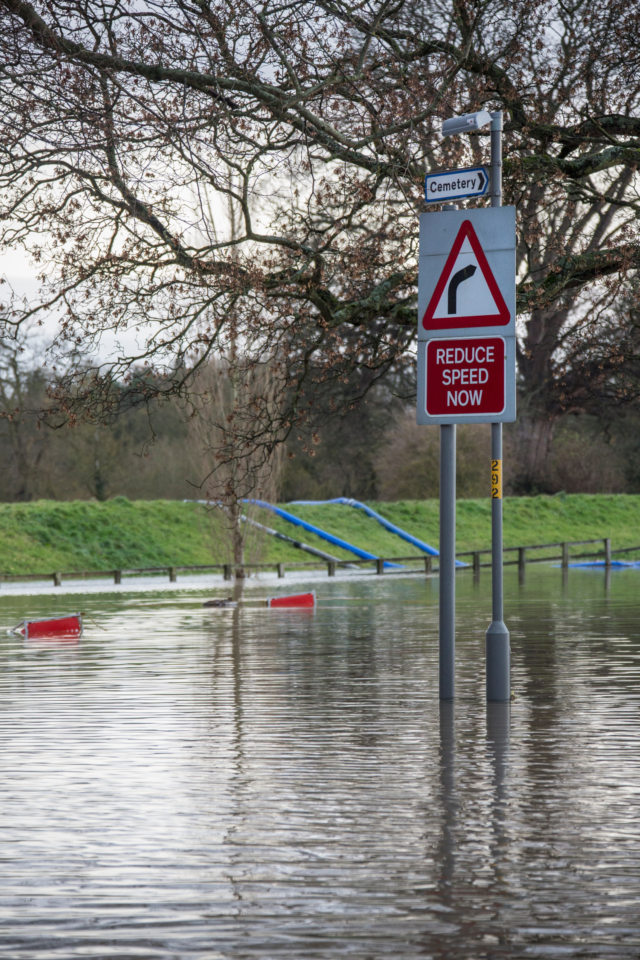
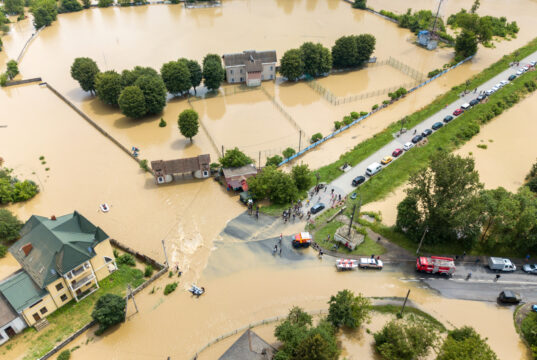
In recent years, water treatment professionals across the globe have faced an alarming surge in the frequency and severity of flooding events. These rising tides are causing significant challenges for wastewater treatment facilities. As the demand for effective and resilient wastewater management grows, it is crucial to understand the profound impact flooding has on these critical infrastructure components.

Extreme weather events, such as hurricanes, torrential rainfall, and storm surges, have surged over the last decade. These events have made flooding an increasingly common occurrence in both coastal and inland regions. According to the National Oceanic and Atmospheric Administration (NOAA), the United States has experienced a 20% increase in heavy rainfall events over the last century, with the North East region seeing up to a 55% increase.

One of the most immediate and tangible effects of flooding on wastewater treatment facilities is damage to critical infrastructure. Floodwater can inundate treatment plants, causing electrical systems to short-circuit, damaging pumps and motors, and compromising the structural integrity of facilities. The repair and replacement costs can be astronomical, straining budgets and resources.

Flooding events can overwhelm treatment systems, leading to the release of partially treated or untreated wastewater into water bodies. This discharge can contain a cocktail of pollutants, including bacteria, chemicals, and nutrients, posing significant health and environmental risks. The contamination of water bodies can lead to the spread of waterborne diseases, harm aquatic ecosystems, and impact drinking water sources downstream.

Wastewater treatment plants often rely on a delicate balance of biological processes, chemical treatments, and mechanical components. Flooding can disrupt this delicate equilibrium, leading to operational failures. In some cases, plants may need to be shut down temporarily to prevent further damage, which can lead to service interruptions and reduced capacity during flood events.

As water treatment professionals grapple with the mounting challenges posed by flooding to wastewater treatment facilities, it is imperative to adopt proactive strategies and invest in resilient infrastructure. In doing so, we can safeguard public health, protect the environment, and ensure the continued provision of clean water for our communities. The collective efforts of the water treatment industry will play a pivotal role in addressing this critical issue.

Sources: Tampa Bay TimesClimate.gov