Small water utilities are characterized by the EPA as systems serving fewer than 10,000 people. However, they make up over 97% of all U.S. water systems. They face some of the biggest and most unique challenges in the industry. This week, Water Treatment 411 will explore what it takes to run these systems and the extra miles their leaders put in to keep water flowing.
Like their larger counterparts, small systems struggle with financing, infrastructure, and staffing. However, they tend to serve more rural communities and severely lack public awareness that could get them the resources they need.
Finances
Small operations mean a small pool of customers to collect revenue from. This cap on earnings limits what utilities can afford, and, unfortunately, equipment for a smaller system doesn’t guarantee a smaller price tag.
Resources to strengthen operations, like new monitoring equipment, updated training, and additional staff, cost money that small systems can’t spare. There are some options to supplement revenue, such as loans from the U.S. Department of Agriculture. However, approval is often dependent on compliance, which small systems struggle to meet.
The last time water infrastructure had a widespread injection of cash was in 1972, when the Clean Water Act was enacted. Those new, state-of-the-art facilities are now approaching 60 years old. After decades of operations, plants need extensive repairs. But when every penny is already counted for, utilities rarely opt for expensive, time-consuming options.
Especially in smaller communities, utilities can feel pressure from customers and politicians to keep rates down. Over time, this can worsen debt if not adjusted to keep up with maintenance costs and depreciation. Luckily, there are online resources to track rate data. Conducting regular rate studies, every three to five years, can help balance finances.
Location
Geography can also cause several logistical problems. Small systems tend to serve a small number of customers over a wide range of land. That water travels via pipes and pumps that must be maintained, another costly feature.
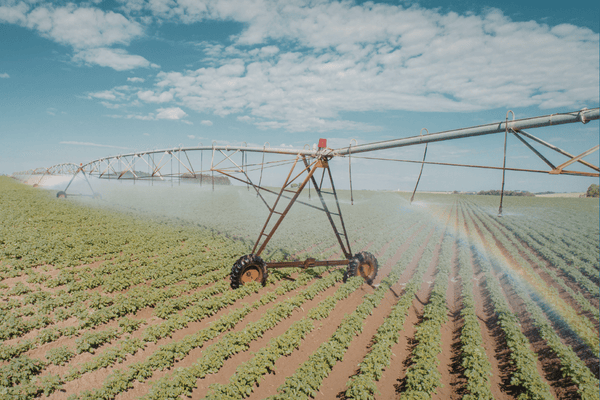
Agriculture is more common. This introduces new stressors on systems and requires specialized care. Agricultural wastewater is more likely to contain chemical contaminants like pesticides and herbicides, sources of PFAS. These forever chemicals can compound over time if treatment doesn’t properly remove them.
Location can also deter potential operators from working at certain utilities. Not only can large systems offer better pay, but they are usually in more desirable areas. In an already highly competitive hiring market, small systems often lose out on new staff.
There are some methods to ease these issues. Utilities can explore adding mobile systems to their operations. These self-contained units can be used in addition to water treatment plants as modular upgrades. They can also be transported to provide on-site treatment. They are relatively inexpensive, easy to move, and offer a variety of uses.
Utilities can also look into consolidation or merging with another system. By combining resources and staff, utilities widen their access to solutions. However, this option does have its drawbacks. Shifting administrative responsibilities can change operations drastically, such as privatizing an asset that was publicly owned.
Resources
Although small systems face a wide variety of challenges to provide clean water to their community, there are many resources available. The EPA has a library of free presentations and in-depth trainings specifically designed for small systems. The American Water Works Association has literature on developing rates, water conservation, utility management, and even a regularly updated training handbook on its site. AWWA also offers select eLearning courses free of charge to utilities enrolled in their small system membership.