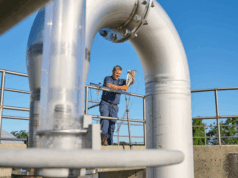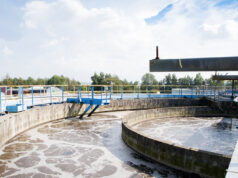
In Texas’ Permian Basin, a water treatment company celebrated a revolutionary milestone. A first-of-its-kind plant is extracting lithium carbonate from wastewater. Governor Greg Abbott and several other government officials visited the plant opened by Fort Worth-based mineral extraction company, Element3, on Feb. 6 for a ribbon cutting ceremony. This week, Water Treatment 411 will walk you through what this advancement means for the industry.
What is Lithium Carbonate
The compound is industrially used to produce lithium-ion batteries, aluminum production, cement, red fireworks, mood stabilizing medication, and kitchenware. The Texas plant will focus on producing the substance for batteries. These power sources are common in portable and medical devices, military technology, and electric vehicles. They can also provide backup energy for large utilities like solar power, data centers, or even power grids.
Currently, the U.S. imports most of its lithium from South America, specifically Argentina and Chile. The mineral is generally extracted by either evaporating lithium-rich brine and harvesting the remnants or mining hard ore. At Element3, seven patent-pending technologies from ORNL have enabled the company to expand their new methods to this scale.
About the Plant
The company was founded in 2021. Five years later, they are making history. In early 2025, Element3 announced they successfully produced battery-grade lithium carbonate from oil and gas wastewater. They promised readers the breakthrough would encourage them to begin commercial production in 2025. A month over their estimate, they’ve made good on that projection.
Luckily for Element3, there are high traces of lithium in oil and gas wastewater. Ancient brine trapped beneath Earth’s surface for millions of years are rich in minerals. Energy companies reintroduce lithium to the environment through extraction methods like fracking or drilling. Element3 suggests their filtration recovery method is quicker and impacts the environment less than traditional mining.
Changing the Game
Most companies dispose of oil and gas wastewater via deep underground injections into wells, as it is extremely briny, toxic, and carries known carcinogens. Some companies reuse the water in fracking’s hydraulic presses or other industrial uses.
Any disposal method runs the risk of soil and groundwater contamination, which could affect the local environment. Deep well injections can cause increased underground pressure, triggering earthquakes. Innovations such as this new plant bring us one step closer to not only preserving desired resources but also maintaining a closed-loop system in water reuse.
Economic Impacts
Figureheads both within and outside the industry have commented on economic possibilities tied to the project. Both Abbott and Cynthia Jenks, associate laboratory director for the Physical Science at ORNL, suggested the plant and its technology will have significant impacts on the U.S. market.
“It is critically important to the United States economy and national security that domestic sources for lithium — both raw and refined — are developed,” Jenks said during the initial partnering with Element3.
Abbott said the plant would advance America’s already undisputed leading energy state. While visiting, he thanked the Trump administration for centering American self-reliance and Element3 for enabling innovation as the nation’s age of “mineral dominance” approaches.
“The future of America depends on producing the elements essential to our supply chain for products we use every day,” Abbott said in a press release on the topic. “Lithium is one of those elements critical to batteries, advanced manufacturing, and national defense.”
It’s clear there’s a strong push for more plants like the lithium plant. The key now is to pay attention to this pioneer in mineral recovery. Being the first is revolutionary, but it means you’re in uncharted territory with no one to turn to for support. We will be watching the situation closely to see what other firsts arise and what new challenges could mean for water treatment.