Is your plant lacking in expectations? Maybe it’s past its prime and needs an upgrade. Or maybe recent natural disasters are overstressing operations. When operations fail in a water system, it’s all hands-on deck to fix the issue. But for every hour water isn’t readily available, a wildfire of headlines on the issue pops up online and threatens your utility.
Luckily, mobile water treatment systems are available when repairs are delayed, or an issue gets complicated. This week, Water Treatment 411 will cover different uses for mobile systems and how to optimize your utility’s advantage.
Why Mobile Systems?
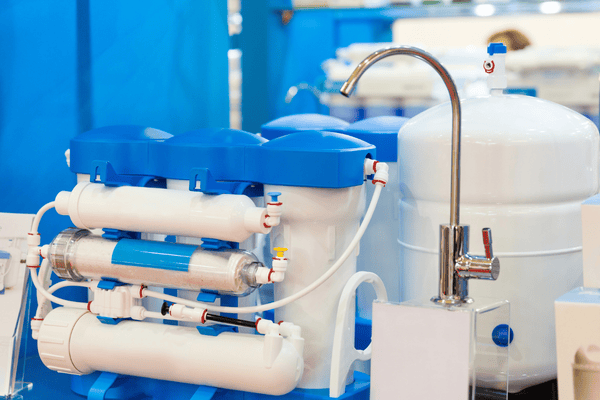
Mobile systems are small, portable, and self-contained. They can be used both in place of and supplementary to centralized treatment plants. They feature “plug and play” technology for rapid deployment, making them easy to use and perfect for crisis response. Functions can also be handpicked to perform necessary services, such as clarification, filtration, or specialized removal for a targeted contaminant.
Operations also require minimal training and oversight, a huge advantage as the sector works to solve its hiring challenges. The size and capacity of a unit is customizable, offering a solution for any volume of treatment. If a situation demands it, the modular units can be linked to form an expandable and hyper-specific system.
This freedom and independence are representative of a new age in water treatment. Novel methods of treatment open new doors of serving your community and revolutionizing your operations.
The first step is identifying how this tool can serve you. Uses of mobile systems in utilities can be broken down into three major categories: planned, long-term, and emergency.
Planned
These are instances where mobile units act as a temporary stand-in for a main treatment plant. Utilities can rent units for a short, scheduled period, like when a main plant suspends operations. Situations can include shutdowns, upgrades, or quality assurance testing. Limiting interruptions to service shows your customers your management thinks ahead and prioritizes their needs.
Long-term
They can also pick up the slack for aging infrastructure. According to ASCE, the U.S. loses about 33.3 trillion gallons of water a year and $187 billion in revenue because of it. Despite this, many utilities still lack the funding needed to renovate. Mobile systems can stay in place for several years and help make ends meet at a lower price point until a permanent solution is available. This can be especially helpful to bridge the gaps in smaller systems competing for attention and workforce.
Emergency
Natural disasters can cause immediate, devasting damage to utilities. The demand for clean water doesn’t stop when centralized plants require repairs. In fact, utilities have all eyes on them when communities restabilize after an event. Mobile systems can minimize service interruptions and meet public needs, especially for rural communities facing unique challenges compared to their urban counterparts.
Not only can these units fill in for day-to-day operations, but they can also be tailored for specialized care. For example, wildfires can produce unique contaminants like chemicals, debris, and soot that can linger for years after the initial event. Many companies offer flexible contracts for rentals, allowing you access when you need it without racking up a bill when you don’t.
Accessibility
These little water treatment powerhouses could also be the key to water accessibility. Their compact designs and versatile nature make them a preferred tool in resource-limited settings. Mobile water systems can be found around the world performing niche tasks usually untouchable to traditional, centralized plants.
Veolia, a water tech company, presented a case study on an emergency unit rental for a power company. The unit was set up on-site, and they recovered $5 million in coal from runoff water and kept the client within the required discharge quality.
A study released last summer discussed the value of point-of-use technology, like mobile water systems, in rural areas facing water scarcity and pollution. They argued that centralized treatment is a less favorable option due to infrastructure challenges, high costs, and limited government capacity. Mobile systems can be fitted per household or even expanded to serve small communities, while offering security other options do not. This type of access provides people with agency and empowerment, all thanks to clean water.
Mobile treatment systems can serve as an asset to your utility. They are versatile, accessible, and affordable, making them a great option for rural plants. In an age of modern technology, these tools can push us to look past the habits of the past. Necessary disruptors like testing and upgrades can now be seamlessly integrated when paired with a temporary unit. Think outside your site and consider new methods of meeting issues head on.