At Water Treatment 411, we track what’s reshaping your field in real time, and right now, extreme weather is the disruptor. Storms are hitting facilities across the country with greater intensity and frequency. For water treatment, adapting infrastructure, processes, and digital systems with the urgency typically reserved for disaster response has become the new standard. Here’s how to take that mindset into your operations today.
Stormwater Is Your Next Compliance Crisis (If You’re Not Ready)
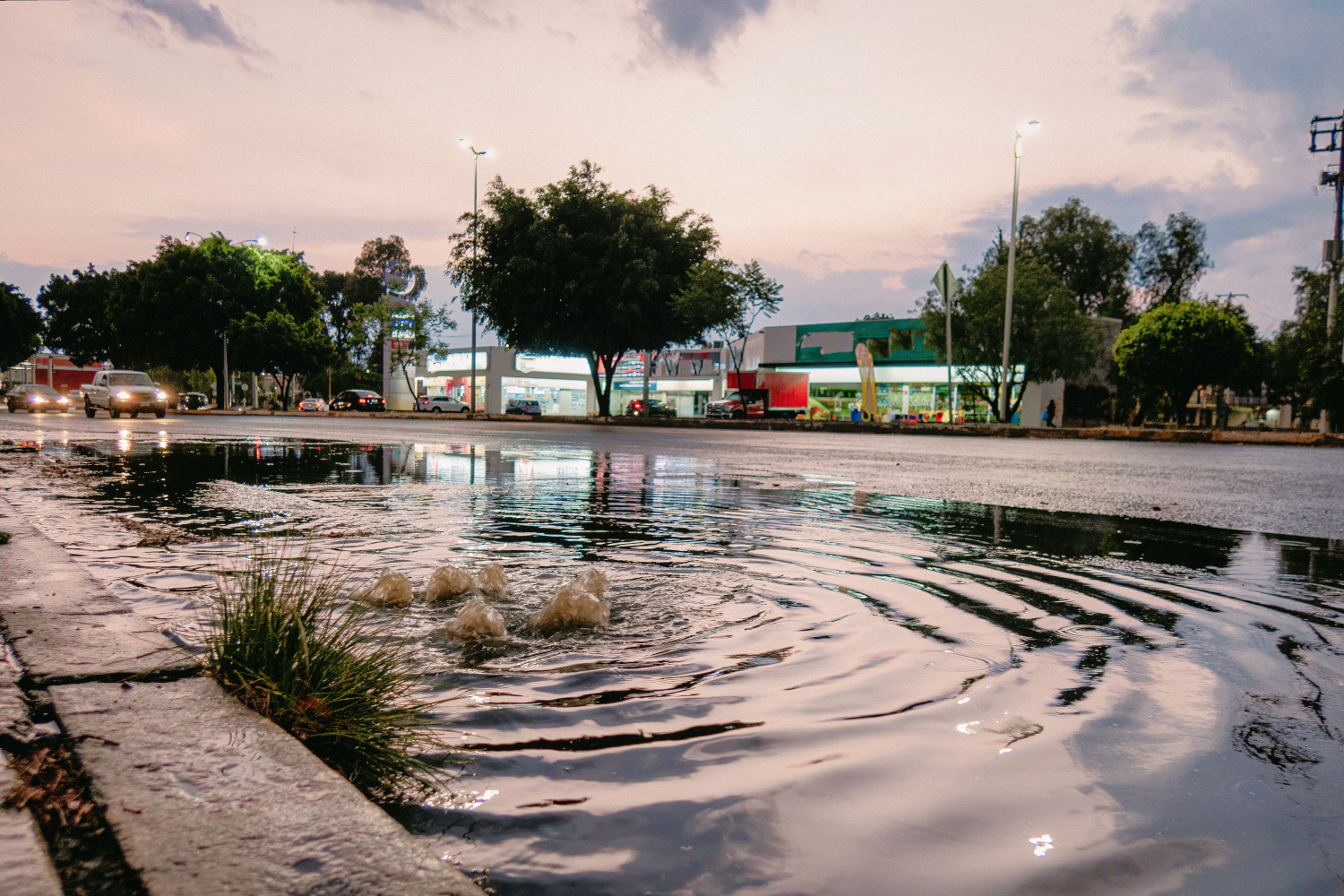
High-intensity storms are exposing vulnerabilities in even well-managed facilities. Flash floods don’t care about your permits. Stormwater can breach sumps, mix with industrial residues, or overflow secondary containment areas in minutes. What was clean runoff quickly turns into regulated industrial wastewater, bringing with it the risk of violations, environmental damage, and emergency costs.
The practical solution starts with knowing your weak points. Inspect trench drains, sump pumps, and containment zones well before the storm hits. Verify that pumps function properly and check whether berms, covers, and diversion controls are operational. This is your frontline defense.
Plan Like It’s Already Happening
The gap between preparedness and reaction is often measured in thousands of gallons. Facilities that fare best in severe weather have full emergency wastewater management strategies, not just basic spill kits. That means pre-arranged partnerships with haulers, access to temporary storage, and procedures for when (not if) containment is breached.
Critical to this response is rapid documentation. Track rainfall, contamination incidents, volume hauled, and response timelines. Not only does this help you stay compliant, but it also demonstrates due diligence to regulators and communities after the fact.
Disaster Relief Tech for Day-to-Day Operations
While field crews build physical resilience, digital infrastructure must keep pace. The parallels between disaster response protocols and modern water management operations are already in motion. Leaders in telemetry and systems monitoring, like Metasphere, are applying disaster-tested DevOps strategies such as resilience testing, penetration testing, and failover simulations to water infrastructure. Recently, Thames Water deployed Ovarro’s LeakNavigator across its network to proactively detect and respond to leaks, and in one pilot area alone, the platform integrating real-time telemetry and cloud analytics saved over 2.5 million liters of water by enabling faster, more targeted interventions.
Think of SCADA and digital monitoring systems as your operational emergency responders. Their uptime, data accuracy, and security determine how quickly leaks are detected, breaches are prevented, or contaminated flows are redirected. Infrastructure-as-code (IaC) and automated regression testing now allow utilities to spin up reliable, secure environments across regions, all without manual oversight. Cloud-native CI/CD pipelines, long a staple in disaster response software, are becoming essential for utilities responding to real-world events with speed and confidence.
The Shift-Left Testing Strategy
In both water treatment and disaster response, prevention is more cost-effective than recovery. That’s where “shift-left” testing comes in to catch failures before they happen. By embedding testing earlier in the development and deployment lifecycle of digital infrastructure, teams catch system weaknesses before a pump fails or a data stream cuts out mid-crisis.
Security testing and load testing help identify vulnerabilities and pressure points in the same way that a storm stress-tests your physical infrastructure. When combined with AI-powered analytics, utilities can even predict and self-heal from certain disruptions, giving teams critical time back during real emergencies. Start by integrating automated tests into your CI/CD pipeline, test under real-world conditions using historical event data, and schedule routine failover drills to validate your system resilience.
Think Like a Crisis Manager, Even on Sunny Days
Weather-driven events, aging infrastructure, and rising compliance demands are all converging in the sector. Don’t let this perfect storm put your facility in hot water — or worse, your community on a boil notice. Your water treatment system is only as resilient as the weakest pump, the slowest data stream, or the least-prepared team member. So let disaster response be your framework. By treating every storm event, equipment failure, or cyber threat with the precision of an emergency, you’ll be leading the sector with resilience.
SOURCES: San Antonio Express News, The Detroit News, MSN, The Tampa Beacon, Metasphere, Ovarro, New Resources, Devi QA, H2O Global News, Valicor