Australian researchers have moved the needle on flood prediction with a breakthrough that may soon become essential infrastructure for water treatment operators. A field-tested system developed by the University of Technology Sydney (UTS) uses existing 5G mobile networks to detect water level changes in real time. Water Treatment 411 dives into what this new technology means for water treatment professionals, especially those managing flood-prone sites.
AI + 5G = Predictive Flood Intelligence
At the heart of this system is a digital twin, a real-time virtual model of river systems like the Murrumbidgee and Parramatta, that processes signal reflections from mobile towers. When water levels change, the bounce-back data shifts. Artificial intelligence then translates that raw input into accurate flood predictions. This breakthrough tech was demonstrated publicly at an official demonstration on June 16 at Iron Cove on the Parramatta River in Sydney and has completed successful field trials in collaboration with the NSW State Emergency Service.
Why It Matters
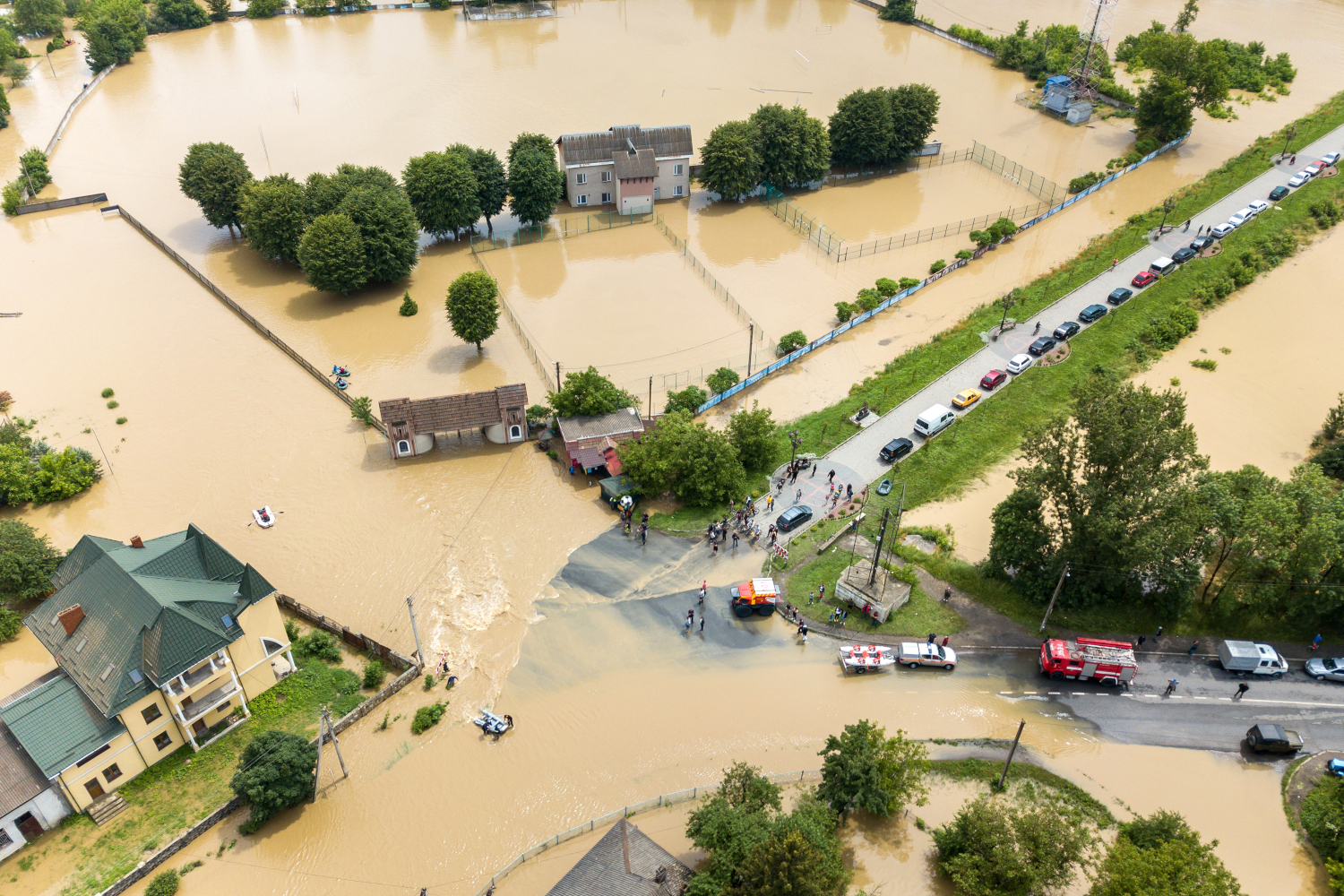
Floods are operational chaos for treatment plants. Real-time, localized flood intelligence can provide the kind of early warning system that current radar and rain gauge networks simply can’t match in speed or granularity. Picture knowing not just that a flood is coming, but exactly how rising levels in nearby rivers will affect your plant within minutes.
This system could feed directly into SCADA alerts, support faster activation of emergency protocols, and enhance decisions around pre-emptive flow control or even chemical dosing adjustments to cope with stormwater inflows. For facilities near tidal rivers or in urban basins with flash flood potential, this precision could be a major advancement in operations.
No Infrastructure, No Problem
What makes the tech especially appealing is its use of existing mobile networks. That means no capital outlay for sensors or installation labor. If you’re operating in a region with solid 5G coverage, you may already have what you need to tap into a version of this monitoring capability, pending commercial rollout.
UTS and TPG Telecom have filed patents and are advancing the next phase of research for scalable deployment. The system is also being engineered to perform reliably in areas with sparse data and less-than-ideal network conditions, a key consideration for rural or mountainous regions.
Looking Ahead
While still under refinement, the potential for integration with municipal stormwater systems, public health response teams, and critical infrastructure alerts is exciting. For water treatment professionals, this could be a step toward flood risk management that’s dynamic, data-rich, and hyperlocal.
You’re likely already tracking rainfall and river levels, but this could be the system that makes those readings actionable with the speed and precision needed to prevent damage, maintain compliance, and protect public health in extreme weather events. Stay tuned. This is a credible tool that could soon redefine flood preparedness and operational intelligence across the sector.
SOURCES: UTS