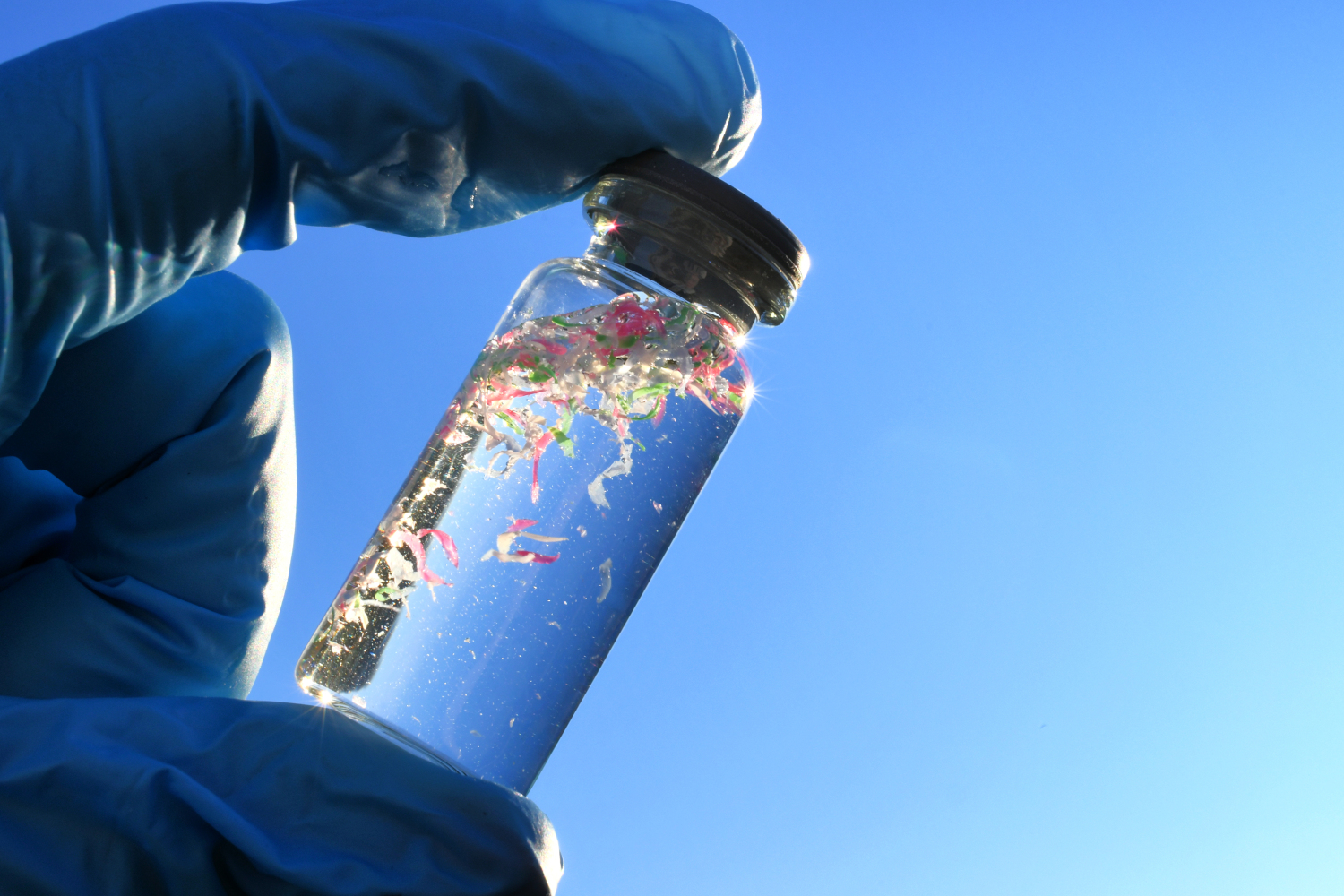
The European Commission just handed water professionals a powerful new tool to tackle one of the thorniest issues in modern water quality management: microplastics. If you’ve ever wrestled with inconsistent lab results, unclear regulatory thresholds, or unreliable data when it comes to polymer particles in water, help has arrived. This week, Water Treatment 411 takes a closer look at what this breakthrough means for your monitoring protocols.
Microplastic Monitoring Gets a Much-Needed Calibration Standard
In early June, the EU’s Joint Research Centre (JRC) released a first-of-its-kind reference material for polyethylene terephthalate (PET) particles in water, and for the first time, labs across Europe and globally can benchmark their microplastic testing protocols using a standardized control. This is a big deal for an industry hamstrung by a lack of consistency in sample analysis. Variability in particle size, composition, and measurement methods has made reliable inter-lab comparisons nearly impossible.
Now, with this new control material in play, labs can calibrate instruments and protocols to produce harmonized data. That unlocks comparable, reproducible results, and that means more credible science, smarter policy, and more actionable data for utilities.
Why It’s a Game-Changer for Treatment Operations
Microplastics have long been on the radar, but quantifying their threat in any meaningful way has been elusive. The new reference material supports a harmonized EU methodology for analyzing microplastics in drinking water. This alignment not only tightens lab performance but also feeds directly into the revised Drinking Water Directive.
And yes, that directive is evolving. Microplastics have been formally recognized as an “emerging pollutant” in Europe. They’re not regulated — yet. But their inclusion on the EU’s watchlist system signals that enforceable standards are coming. If your facility relies on surface water sources, this update is especially relevant.
Prepare Now, Not Later
For water utilities, regulators, and lab partners, this isn’t just another EU directive to file and forget. Accurate, standardized microplastic monitoring is moving from a “nice to have” to a compliance necessity. Now’s the time to review whether your protocols meet the new benchmark or fall short.
This also sets the stage for better operational decision-making. With credible, harmonized data, you can more effectively track microplastic loads across source waters, fine-tune filtration strategies, or justify capital investments in advanced treatment. For facilities engaged in or considering membrane upgrades, this data may help strengthen your ROI argument.
Looking Ahead
This breakthrough may start in Europe, but it’s unlikely to stay there. The global conversation on microplastic regulation is heating up. Countries from Canada to Australia are eyeing tougher standards, so expect international labs and water authorities to adopt similar reference materials soon.
If you’re running or advising a treatment plant, now’s the time to engage with your lab partners. Are they equipped to incorporate the JRC’s control material? Are your monitoring protocols aligned with emerging European standards that may become global norms?
Microplastics aren’t going anywhere. But with this leap in lab calibration and policy alignment, you’re better equipped than ever to respond.
SOURCES: European Commission, Joint Research Centre (JRC), Smart Water Magazine